
A love letter from a craftsman.
The grounds were quiet. The highway ran close enough that you could hear passing traffic (Interstate 5, the hum of the modern world moving fast through Tumwater, Washington) but the place echoed something else entirely.
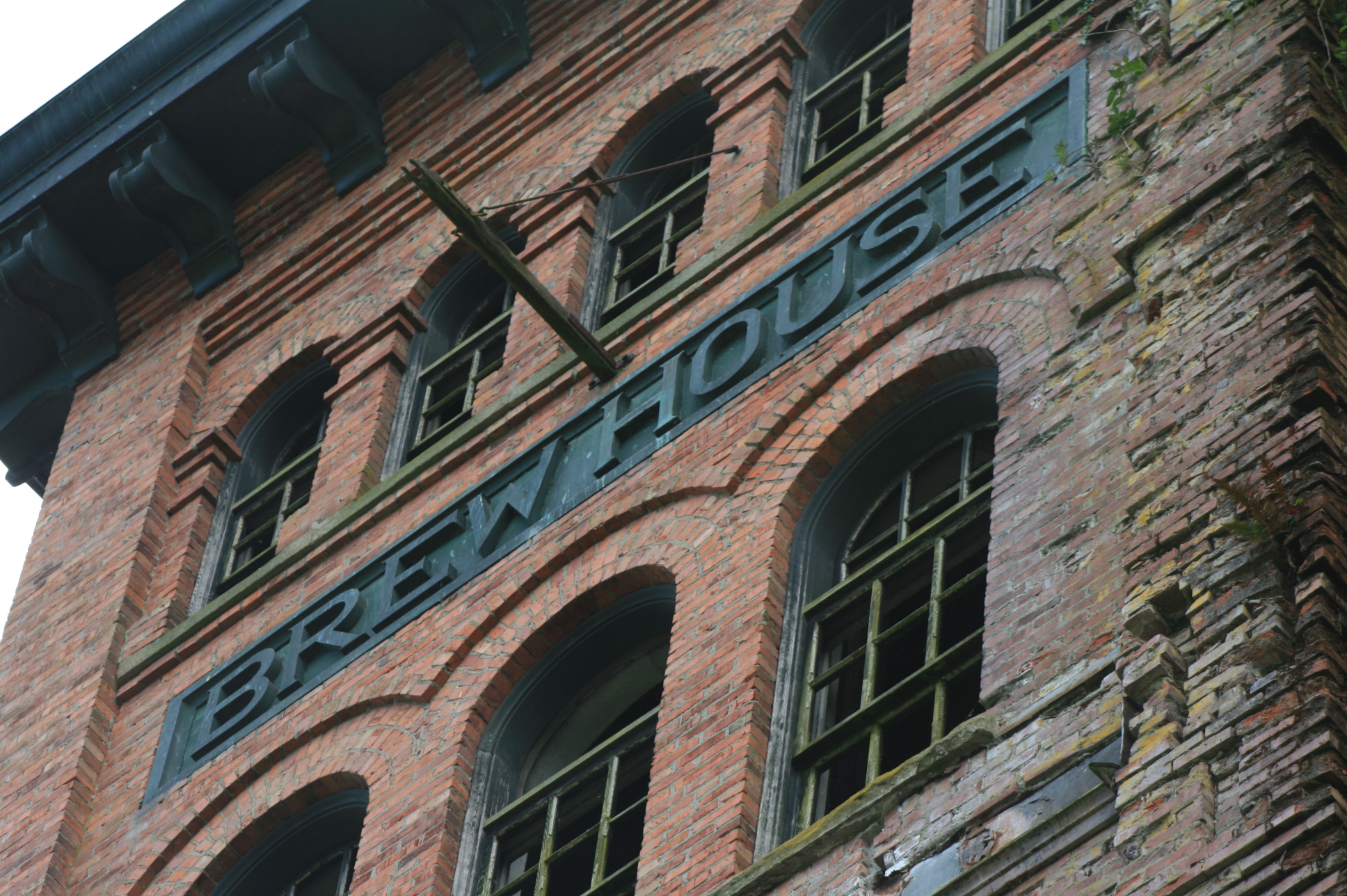
It was 2009. The old Olympia Brewery tower had been standing on the banks of the Deschutes River since 1906. It had been vacant since 1921, eighty-eight years before I stood there, long enough that the windows were gone (weather had taken some, vandals others) and moss had claimed most of the brick. Everything felt wet and ancient and alive in the way that only abandoned things get to be.
I didn’t go inside. I just walked the grounds and stood close enough to put my hand on it.
And I heard things.
Not literally. But the way a building holds its history, the way sound gets carved into stone as surely as anything else, I could feel the workers. Barrels rolling on wooden floors. The clang of metal, the shout across a production floor, the particular rhythm of a place that once ran three shifts and meant something to the people inside it. Those sounds don’t leave. They settle into the mortar and stay.
I grew up reading the Chronicles of Narnia. There is a scene in Prince Caspian that I have never been able to shake. The four Pevensie children, kings and queens of Narnia in another life, are pulled back to a place they don’t recognize at first. The forest has grown over everything. The castle they built and ruled from has fallen to ruin. Susan finds a golden chess piece near a collapsed well and hands it to Peter. All four look at it with surprised recognition. Lucy is the one who finally speaks. Susan is on the verge of tears. They are standing in the ruins of Cair Paravel, their home, and only a year has passed for them while thirteen hundred years passed for everything else.
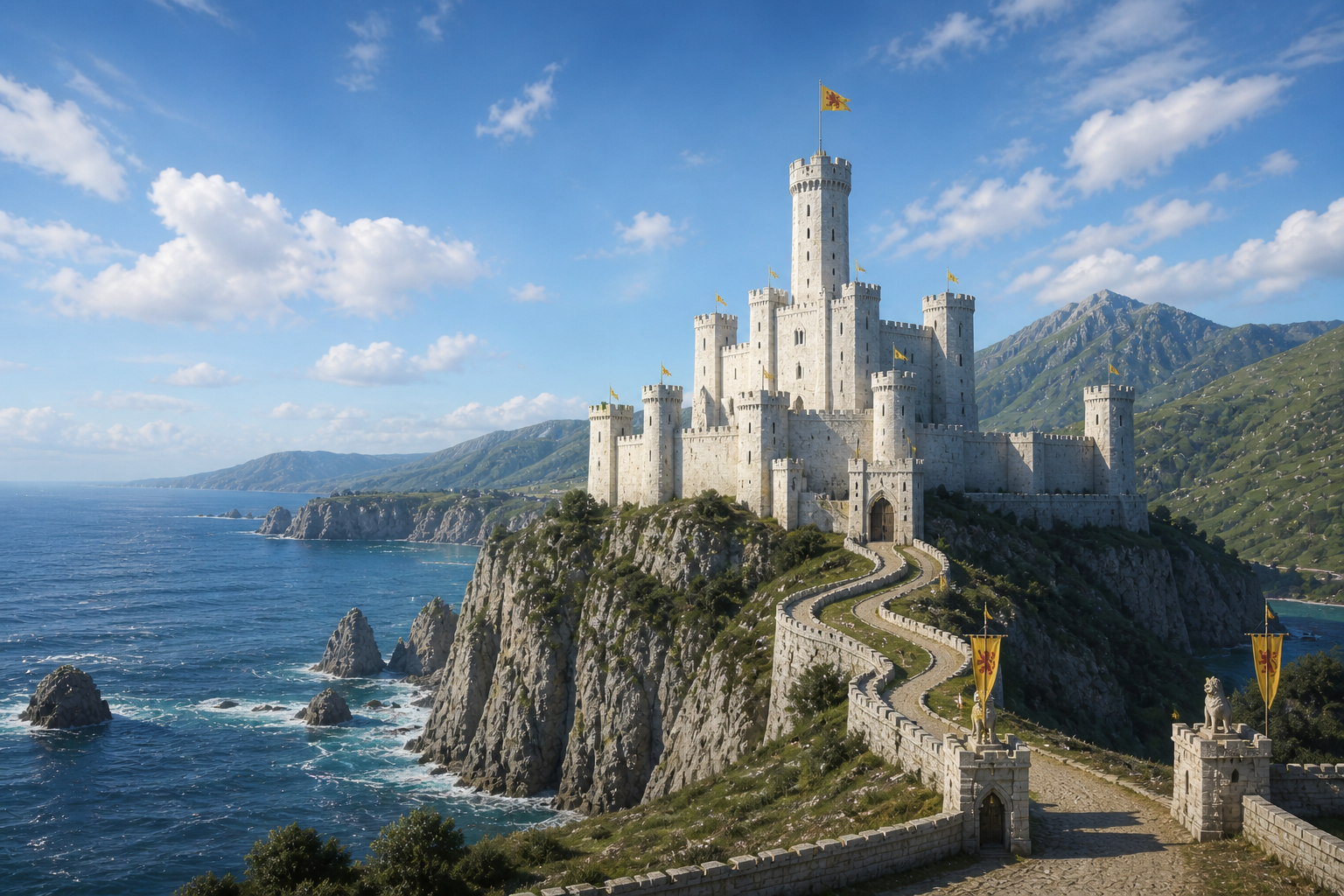
AI-generated artistic rendering of Cair Paravel. Not a photograph.
That is what I felt standing outside the Olympia Brewery tower in 2009. Not that I had built it or ruled from it. But that something in me recognized it. The craftsman in me could read those walls the way Peter read that overgrown courtyard: not seeing ruin, but seeing what was. Feeling the echo of what it meant when it was whole. Lewis called that moment a blend of joy and grief, inseparable, arriving at the same time. He was exactly right. That’s exactly what it was.
Everything in me wanted to be the one to bring it back. To restore the echoes, to put life back into a space that had been holding its breath for nearly a century.
Why you should care (or maybe shouldn’t, but hear me out)
I understand if none of this lands for you yet. Not everyone has stood outside an old building and felt something shift. Some people walk past a Victorian house with its original carved trim and see a maintenance problem. They see inefficiency. They see the past, which is another word for over.
But this isn’t nostalgia. It’s not about preferring the old for its own sake. It’s something more specific and more permanent than that.
The craftsman who carved the stonework above the entry arch at the Union Printers Home in 1892 was working with old-growth timber and hand-quarried limestone using a skill set that took decades to develop. The brick composition of the Olympia Brewery tower (the exact formula, the firing temperature, the clay source) is being painstakingly reverse-engineered right now by the restoration team in Tumwater, and it is genuinely difficult. The limestone quarries that supplied buildings like Dunalastair House in the Scottish Highlands have been closed for generations. The old-growth forests that produced those foot-thick timber trusses are largely gone.
This is a one-way door.
When these buildings come down, we are not losing old things. We are losing irreplaceable things. There is no version of 2050 in which someone builds a new Dunalastair. The materials don’t exist in the same form. The knowledge is thinning out. An engineered stone facade installed today will not look like this in a hundred years. It will look like a failed attempt at permanence, which is exactly what it is.
The people who built these buildings were not trying to build for their lifetimes. They were building for lifetimes they would never see. That idea (the idea that what you make should outlast you, should matter to people you will never meet) is not an old idea. It is a rare one. It was rare then. It is rarer now.
When these buildings disappear, we are not just losing architecture. We are losing proof that people once built that way. And we are running out of it.
What a Craftsman Sees
I’ve moved load after load of lumber onto job sites, lifted beams, carried hundreds of sheets of drywall up staircases. I once hauled hundreds of pounds of concrete mix down a crumbling set of outdoor steps, trying to keep a summer cabin from sliding into Puget Sound. It’s real work. It’s the kind of work that makes you feel the full weight of what building something actually costs in human effort. But it’s a different category of weight entirely from what went into the buildings I’m talking about.
Look up at the facade of the Union Printers Home (that Romanesque brick castle, a style built around rounded arches and heavy stone, that has been sitting on its hill since 1892) and you’re looking at cut sandstone blocks that no single man should reasonably be able to carry, stacked by people who cut them to fit, moved them by hand, and set them in place with an intention that a century of Colorado winters has not been able to argue with.
Look at the timber trusses in a building like Bardenay in Boise, a restaurant built inside a recovered brick warehouse, and you’re not looking at lumber. You’re looking at members more than a foot thick, bolted together with hardware an inch in diameter, engineered before computers, before laser levels, before any of the tools I use every day. The people who built these things did the math in their heads and their bodies, and they got it right the first time.
You build a house today and within a year or two the doors stick, the drywall cracks at the corners, and nail heads start popping through the drywall. Normal. Expected. Nobody is surprised. The Olympia Brewery tower was built in 1906. The Union Printers Home went up in 1892. The Denver Tramway Powerhouse in 1901. All of them are still standing, still structurally sound, still arguing with anyone who suggests they’ve outlived their usefulness. Modern homes begin settling almost before the crew leaves the jobsite. These buildings were built a hundred years ago and they haven’t budged.
America’s Brick Cathedrals
Europe has stone cathedrals: structures built over generations, sometimes centuries, where a single craftsman might spend his entire life working on one building he would never see completed. Americans look at those buildings on trips abroad and feel something they struggle to name. A kind of weight. A kind of permanence. A sense that the people who built them believed what they were doing mattered beyond their own lifetimes, beyond any single lifetime.
America has its own iconic structures. Nobody questions the historic significance of Union Station in Washington, the Empire State Building, the great buildings along the National Mall. These are landmarks, and they deserve that designation. But most of them are no more than 150 years old, built within a generation or two, constructed with machinery and modern methods. Impressive, yes. Historic, absolutely. But they belong to a different conversation than the gothic cathedrals of Europe, where stone was laid by hand over four or five centuries by people who would never know the finished building.
For a common craftsman (for someone who has carried lumber and mixed concrete and refinished wood by hand) the buildings that come closest to that feeling aren’t the famous ones. They’re the industrial ones. The brewery towers and the powerhouses and the union halls built between 1880 and 1920, put up by workers who didn’t have the tools I have, who made decisions about decorative arches and corbeled brick details (rows of brick stacked to step outward from the wall) that nobody required them to make.
The Tumwater Brewery tower is not a national landmark. The Union Printers Home is not on the cover of an architecture magazine. Bardenay is a restaurant in Boise that most people outside Idaho have never heard of. But there is something in these buildings that the famous ones, for all their grandeur, don’t quite give me. Something indescribable that I feel when I put my hand on a wall that was built before my grandfather was born, by people whose names I will never know, who built it anyway as though it would matter forever.
Maybe that’s because it does.
Nobody required these buildings to be beautiful. A warehouse is a warehouse: four walls, a roof, somewhere to put things. A powerhouse needs to generate electricity, not inspire awe. A brewery tower needs to house the fermentation process, not frame a skyline.
And yet.
The arched windows on the Tramway Powerhouse spread the weight of the wall sideways into the surrounding brick, instead of pushing straight down onto a lintel (the straight beam over a window or door). In a multi-story brick building, that’s not decoration. That’s engineering. The same logic drove the entry at the Union Printers Home, and the window headers on the brewery tower. The people who designed these buildings knew exactly what they were doing structurally, and they chose the arch because it was both the practical answer and the beautiful one.
But they didn’t stop where engineering required them to stop. The corbeled brick details above the window line on the Olympia Brewery tower aren’t holding anything up. The ornamental brick bands and carved stonework surrounding the entry arch at the Union Printers Home serve no load. The copper-topped tower isn’t structurally necessary. Someone kept going past the point where the math was satisfied, and made decisions that were purely about what the building would look like to the people who had to live near it.
The arch was required. Everything after it was a choice.
They built beyond function. Beyond what was required, beyond what was practical, in the direction of something that was simply worth building. And somewhere between then and now, we stopped doing that. We stopped believing that a building should earn its place in a skyline, that the people inside it deserved beauty alongside utility, that permanence was worth the extra cost.
The history is complicated and the conditions were often brutal. The craftsmen who built Dunalastair in 1859 had almost no legal recourse if something went wrong. Britain’s first meaningful employer liability law was still two decades away, and the contracts many workers signed in that era were called “death contracts” for a reason. The men who built the Union Printers Home thirty-three years later were in a different world: the International Typographical Union, known as the ITU, was one of the most progressive unions in the country, providing death benefits, sick pay, and pensions at a time when most workers had nothing. The legal framework was still catching up (American workers’ compensation didn’t exist until 1911) but the union had built its own safety net before the government got around to requiring one. And yet even where protections existed, they couldn’t account for what nobody knew. The asbestos insulating the boiler pipes, the lead on the roof, the silica dust in the cut stone: the materials these men worked with daily carried risks that wouldn’t be understood for another hundred years.
They built through all of it. They mixed ornamentation into the brick during a period when the people doing the work had almost no legal protections. That tension doesn’t resolve neatly. But the buildings themselves, the physical objects left behind, those I can look at without any mixed feelings. Someone built them to last. Someone built them to mean something. Inside everything that era was doing wrong, they were doing that right. And they do still mean something. They do still last.
My romantic view of them is this: these weren’t cathedrals built to look toward heaven. They were built by workers and captains of industry and entrepreneurs who were reaching toward something right here on earth. A city. A livelihood. A future. And they put that ambition into the brick itself.
Square buildings with square windows are practical. A castle with rounded arch windows and a copper-topped tower is a blend of function and belief: the belief that what you build should be worth looking at long after you’re gone.
The Buildings
The Olympia Brewery Tower, Tumwater, Washington
Photo: Jerica Pender / ThurstonTalk.
The 1906 brewhouse tower was shut down by Washington state Prohibition laws in 1916 and permanently closed in 1921. When Prohibition ended and brewing resumed, Peter Schmidt, son of the founder, faced a decision in the depths of the Great Depression: restore the aging brick tower on the river, or build something new. The old building was small. The rail lines ran up the hill. A larger, more efficient facility would mean better logistics, higher capacity, a fighting chance in a market that was coming back to life after years of forced silence.
He built new. In 1933, construction began on a modern plant up the hill: square, functional, scaled for production. It was the rational decision made under impossible pressure, and it worked. That facility ran for nearly seventy years, right up until Miller Brewing Company closed it in June 2003 and sent hundreds of workers to the unemployment lines.
The 1906 tower was left behind. Left to moss and weather and the slow departure of its windows over the decades. When I stood outside it in 2009, it had been vacant for eighty-eight years. The brick was still there. The bones were still there. The echoes were still there.
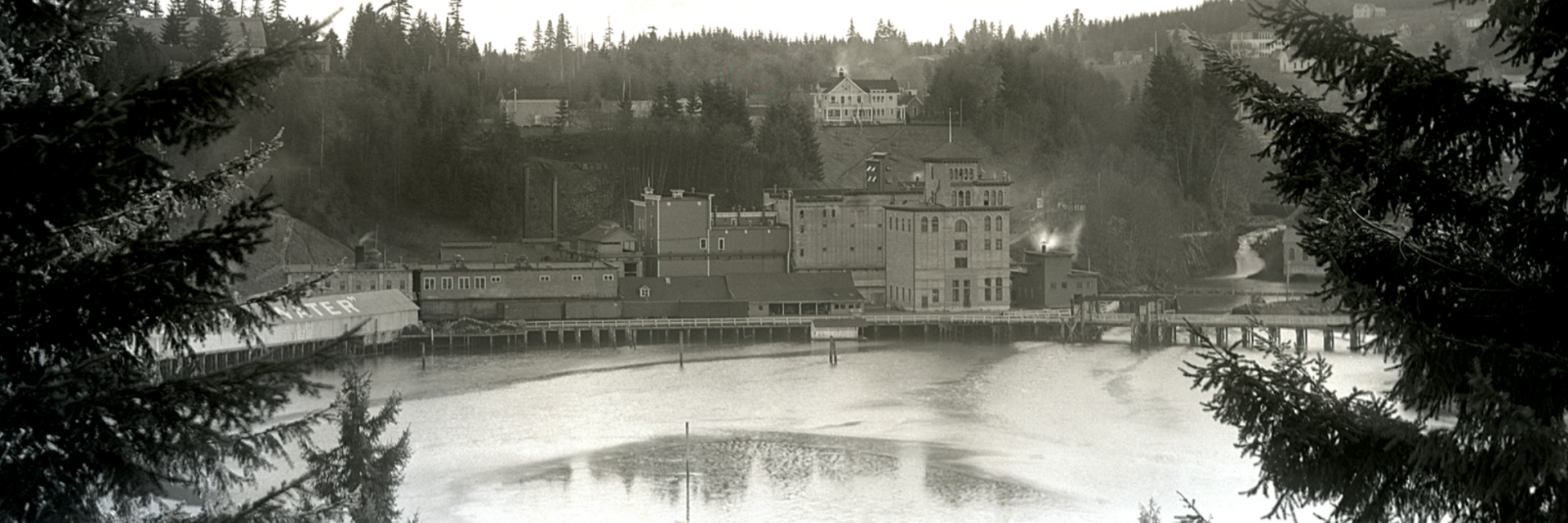
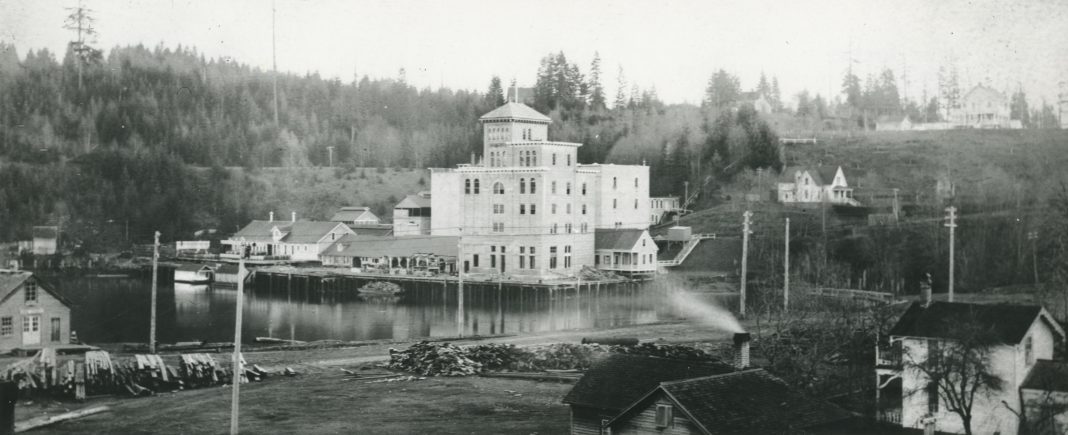
Left: Photo courtesy City of Tumwater. Right: Photo courtesy Washington State Archives, via ThurstonTalk.
Look at that modern facility today and you’ll find beige concrete walls, flat rooflines, rebar showing through crumbling edges, weeds pushing up through asphalt. The building built for efficiency and progress is the ruin now. Officials hold press conferences in front of it and nobody looks particularly inspired. Meanwhile the 1906 tower (the one deemed too small, too old, too impractical to save during the Depression) is the one being restored.
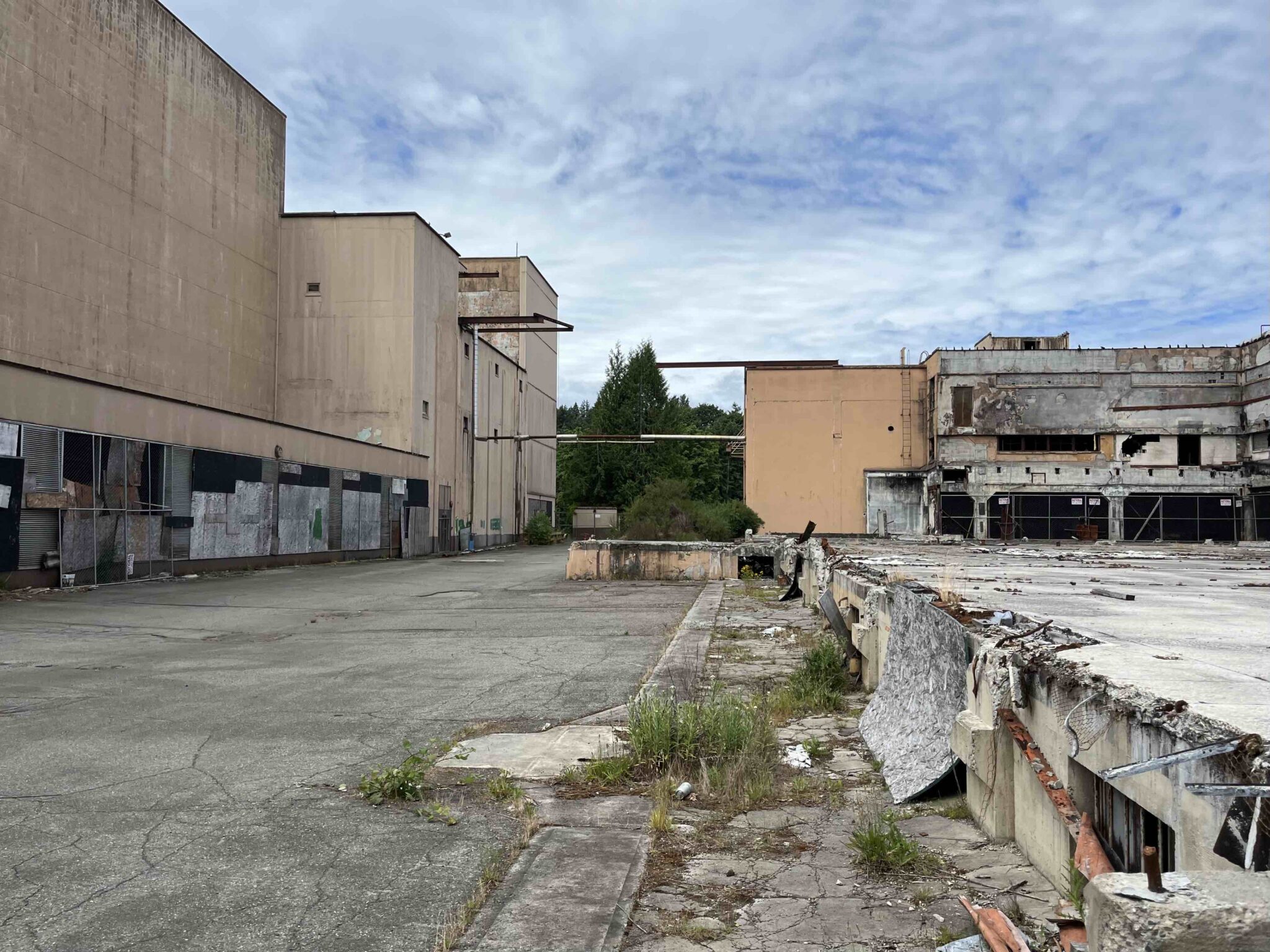
The 1934 facility built to replace the tower. Photo via Washington State Standard, washingtonstatestandard.com.
The new square building is derelict, and I don’t care. The old one needs a lot of work, but the process of restoring brick walls, refinishing old timber, and installing modern glass in frames designed to look original feels like the best kind of adventure.
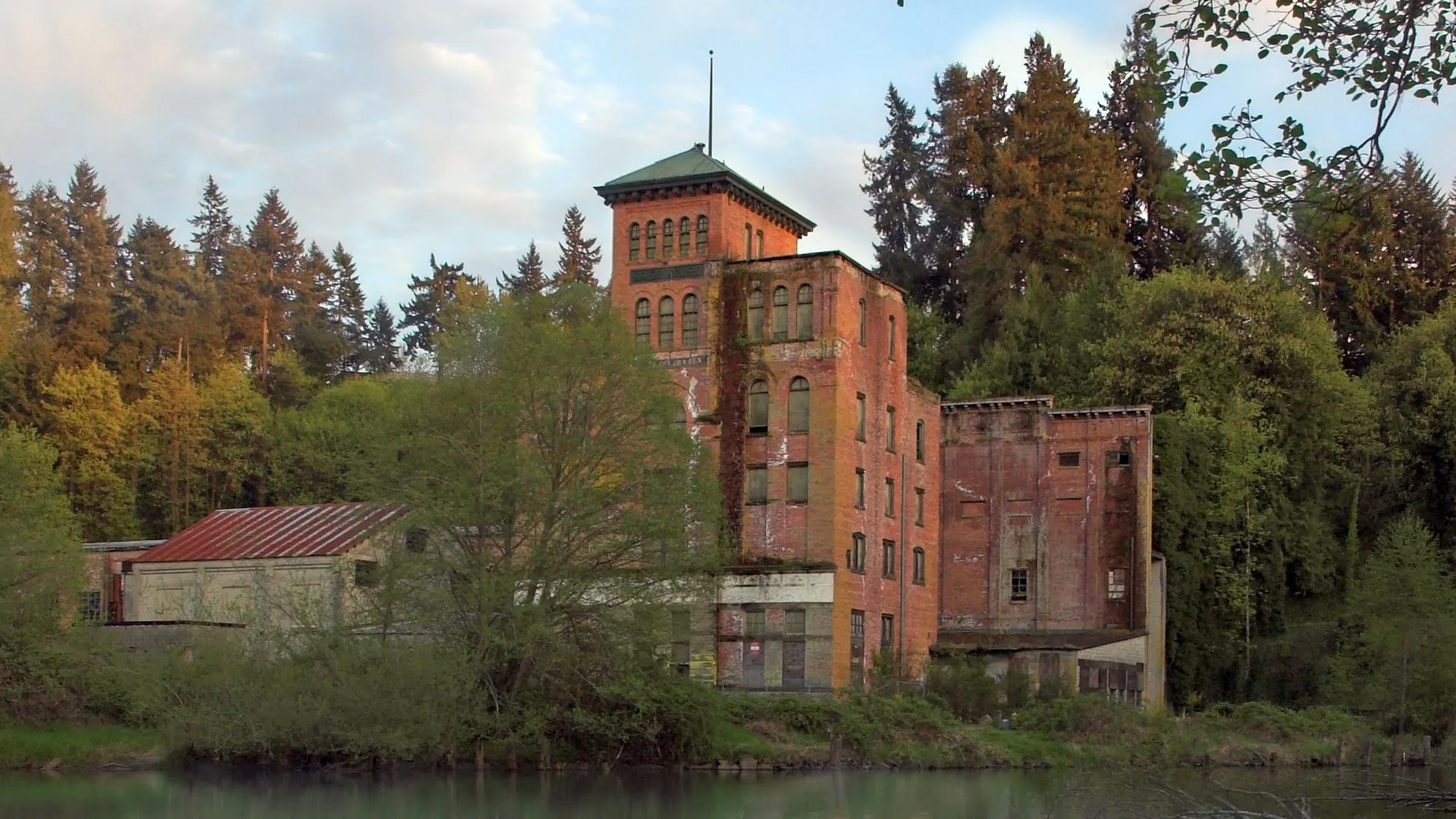
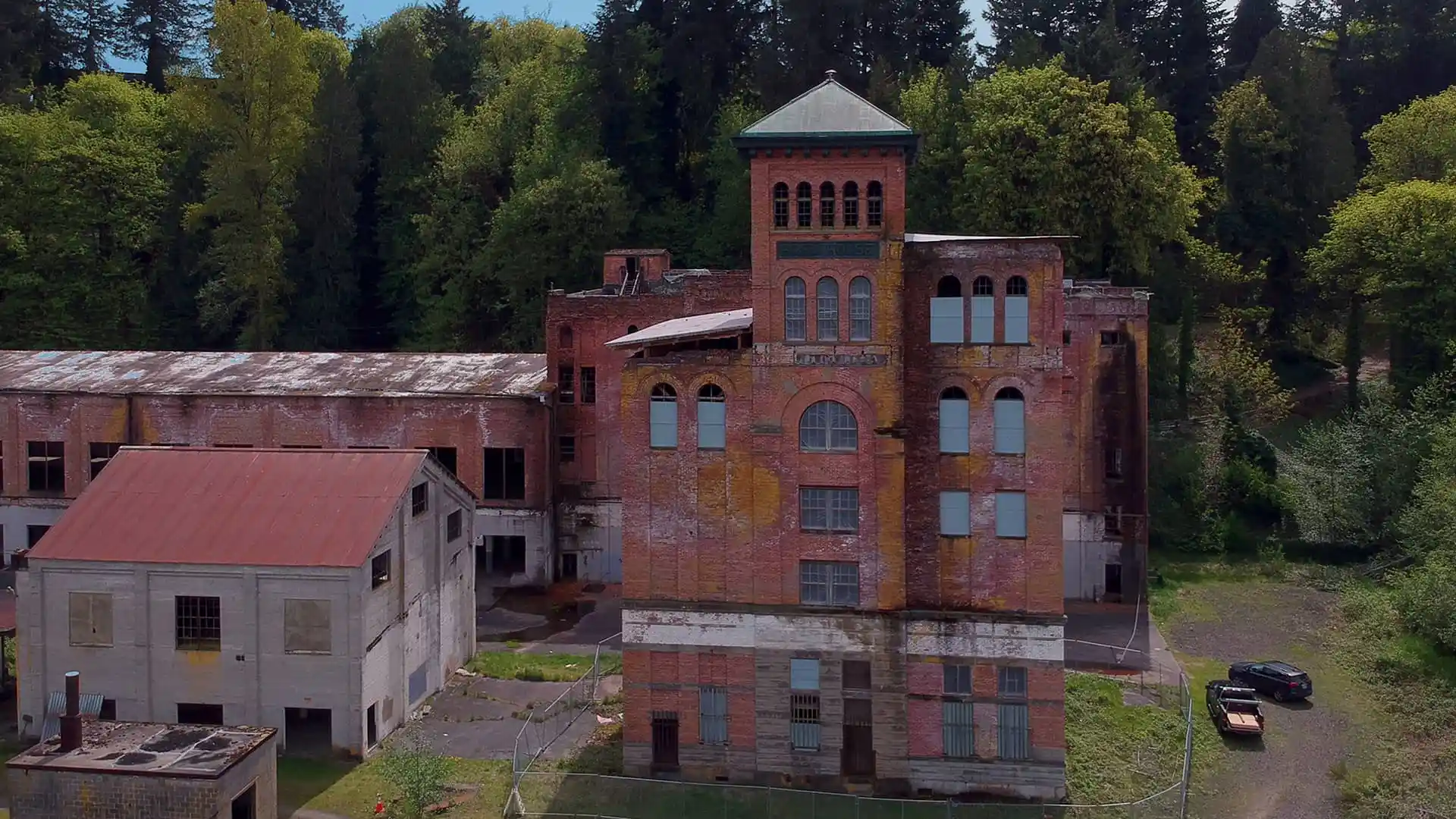
Left: Photo courtesy Olympia Tumwater Foundation, via ThurstonTalk. Right: Photo courtesy SSF Engineers.
The property has passed through nine owners across thirty parcels since the closure. A developer purchased the main structures for $4 million in 2015. Environmental impact statements are ongoing. A La Quinta Inn went up on one of the parcels somewhere in the shuffle. The tower itself was eventually donated to the city of Tumwater by a developer who decided it should be under someone else’s wing. Not because he loved it, but because he couldn’t figure out what to do with it.
If it were mine (and I mean this with full understanding of what I’m saying) I would build a life around it. A microbrewery in the old fermentation hall. A restaurant in the warehouse with the timber trusses exposed and lit from above, the kind of place where you linger for three hours on a Saturday night without meaning to. A small coffee shop near the river. The grounds, which run down to the Deschutes and are genuinely beautiful, laid out as a wedding and event venue, because the buildings are the most romantic backdrop for a wedding photograph I have ever seen. The brick, the arched windows, the copper tower, the river. You couldn’t design that. It already exists. It just needs someone to say yes to it.
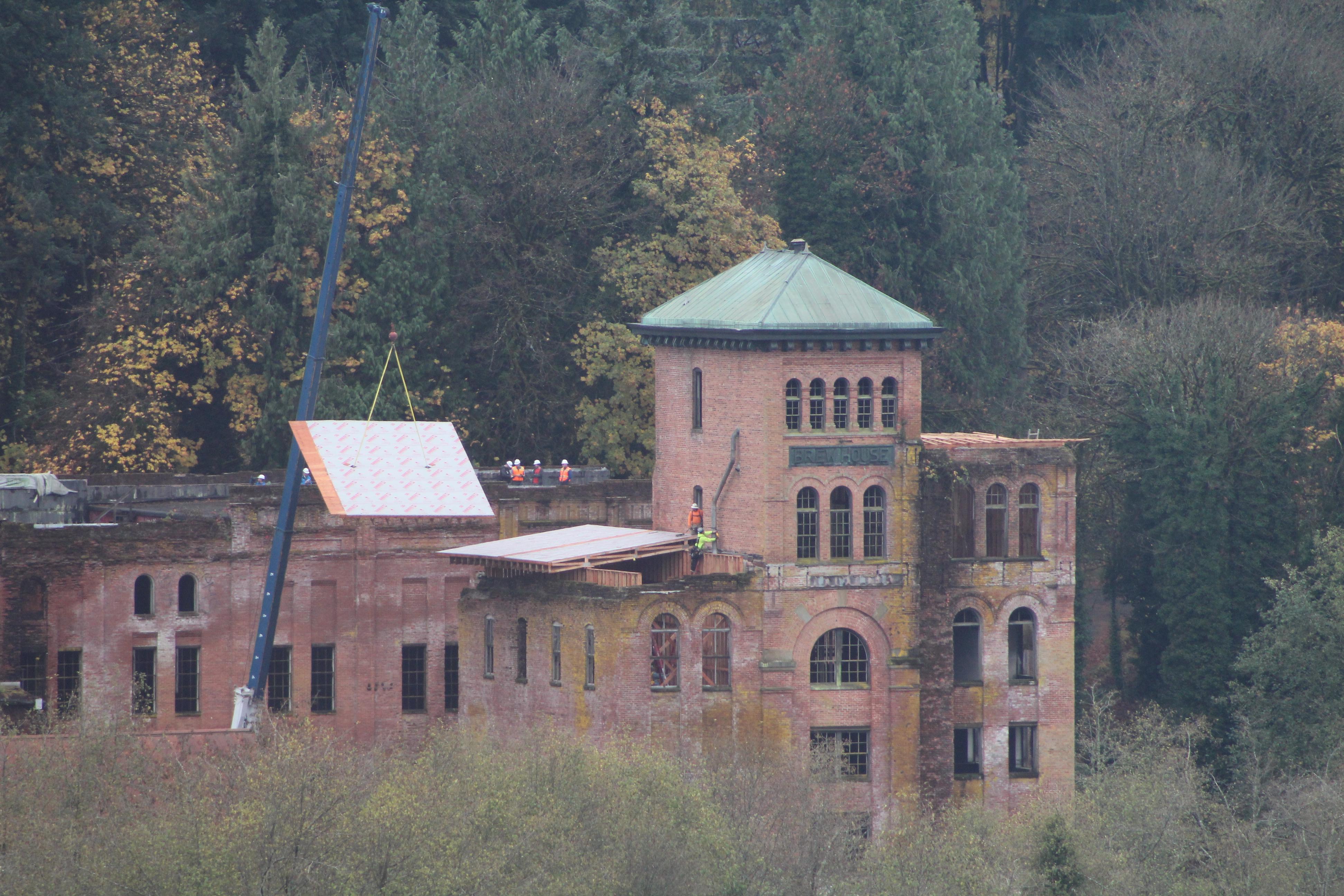
Restoration underway. Photo courtesy City of Tumwater, via ThurstonTalk.
The Union Printers Home, Colorado Springs, Colorado
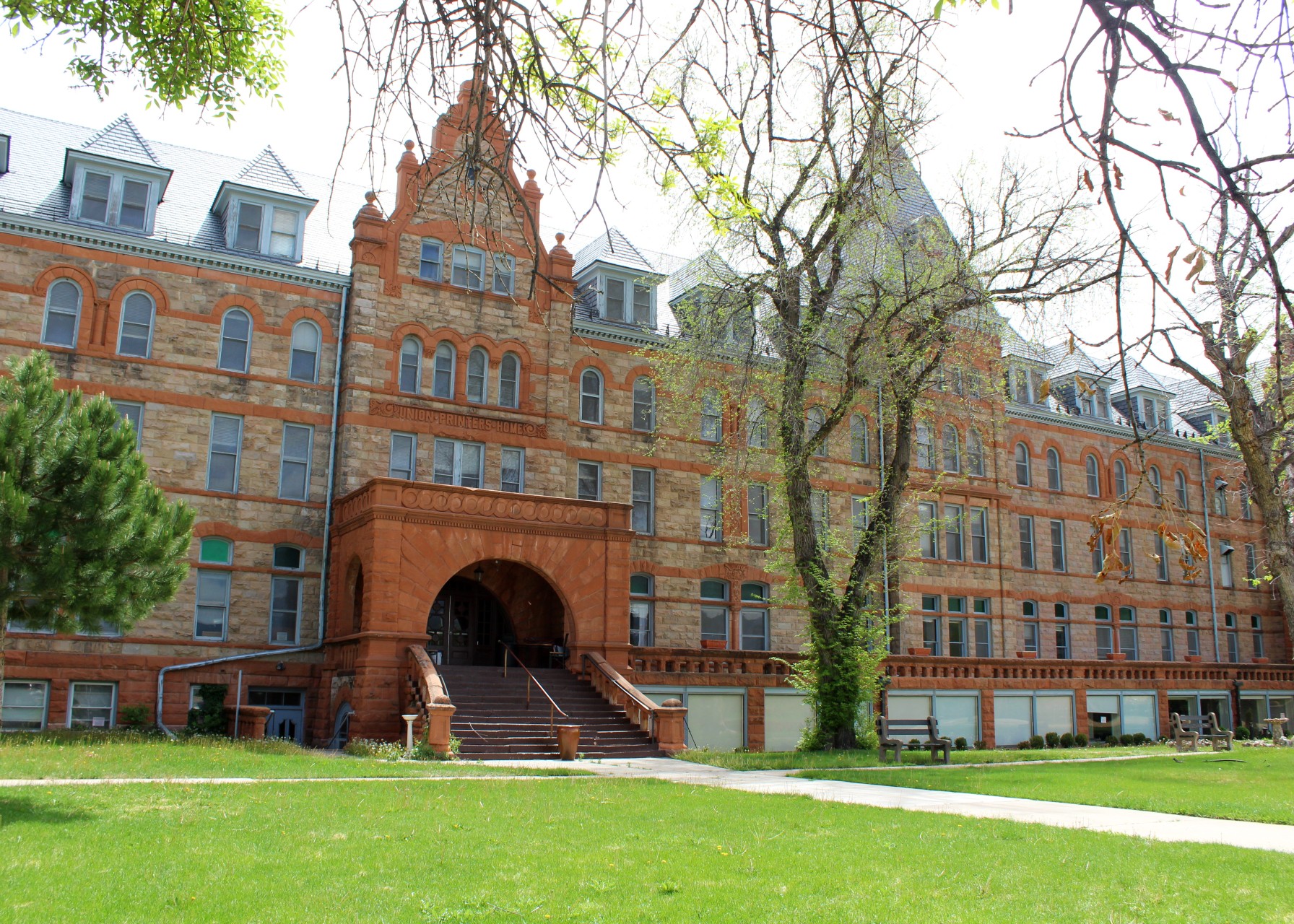
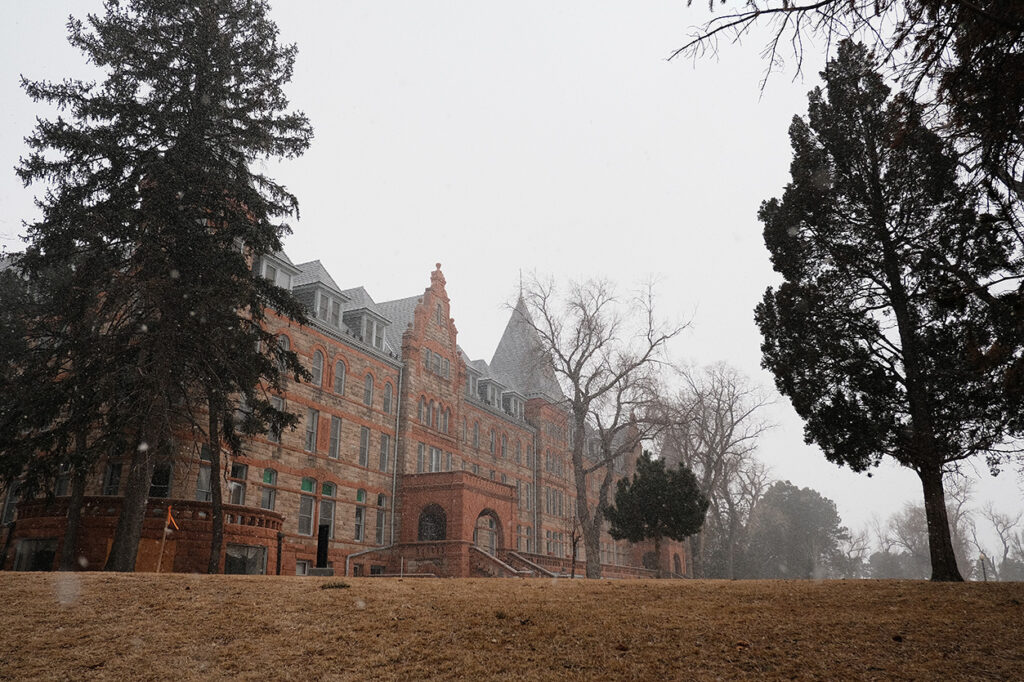
Photo courtesy UPH Partners, unionprintershome.com.
The castle on the hill. Built in 1892 by the International Typographical Union as a place for its members to relax, restore and heal. Twenty-six acres on the east side of Colorado Springs, overlooking Memorial Park and the full sweep of Pikes Peak.
I’ve walked that campus. I’ve stood underneath that 1891 sandstone arch and looked up at what it took to build it (the scale of the stones, the weight of the intention behind them) and felt something shift in my chest that I can’t entirely explain.
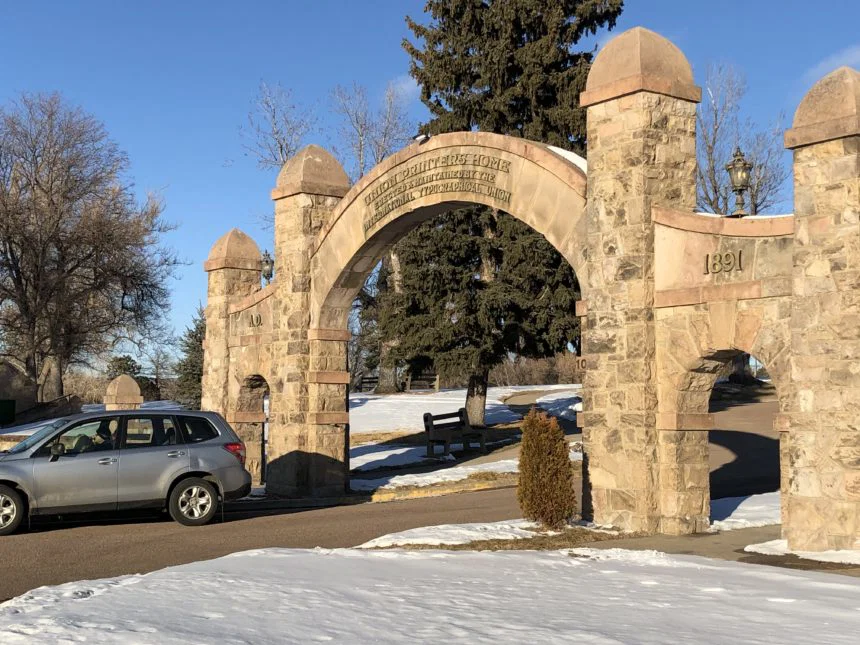
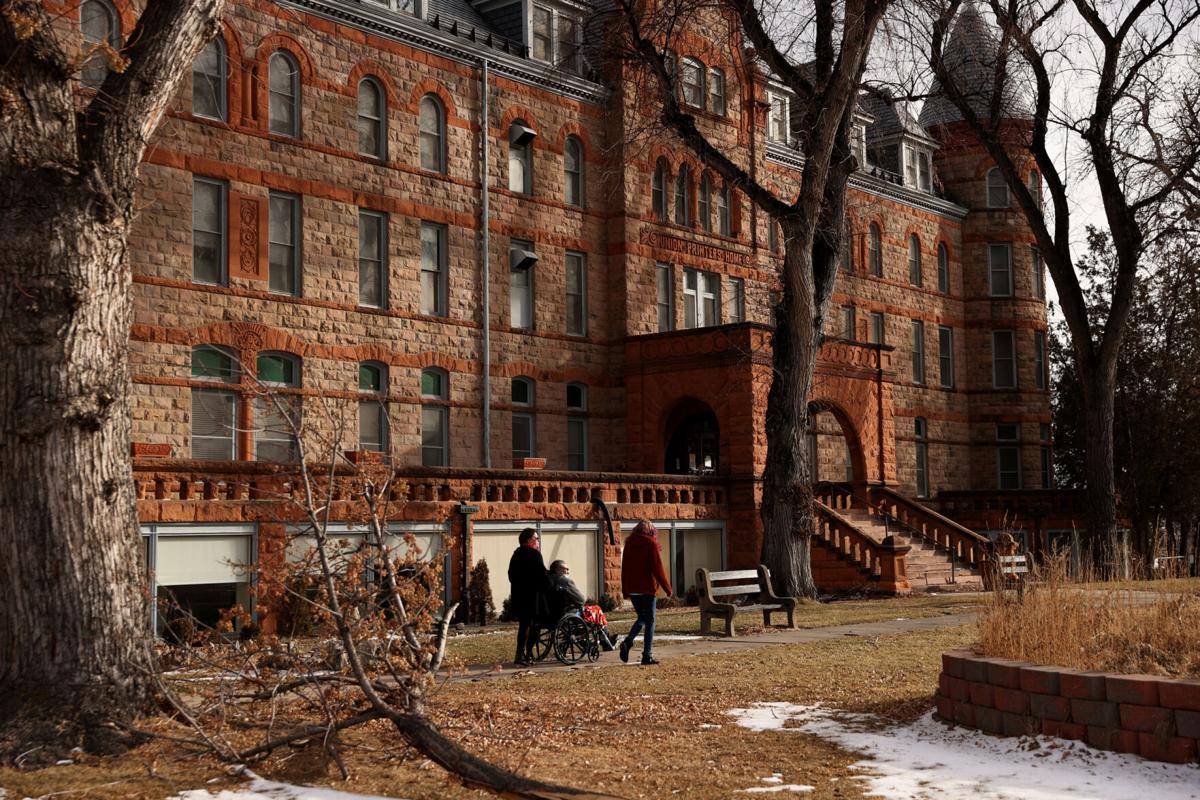
Left: Photo courtesy UPH Partners. Right: Photo: Forrest Czarnecki / The Colorado Springs Gazette, via Sasaki.
The Union Printers Home was eventually deemed obsolete as a care facility and the property was sold. Like the brewery tower, like the powerhouse in Denver, it was left behind by the forward motion of a world that had newer, more efficient ways of doing things. And like all of them, it outlasted the reasoning that abandoned it. UPH Partners, a group of local investors, purchased the property in 2021 with a genuine commitment to preservation and adaptive reuse (fixing up an old building for a new use instead of tearing it down). A master plan is in development. Zoning hurdles (the city rules on what can be built where) are being cleared. The right people are paying attention and doing serious work, and I am glad.
I would be lying if I said I wasn’t also a little wistful.
Not because they’re doing it wrong. But because there’s a version of this that lives entirely in my head, one that doesn’t have to answer to a spreadsheet of investor projections or a return-on-investment calculation, where the Union Printers Home becomes something designed entirely around what would draw people back. What would make someone drive from Denver on a Friday night. What would make a Colorado Springs family make it a tradition. What would make the space feel worthy of the stones it’s built from.
I don’t know exactly what that looks like. But I know it involves long tables and good light and the kind of acoustics that only a 130-year-old brick building can give you.
The Denver Tramway Powerhouse
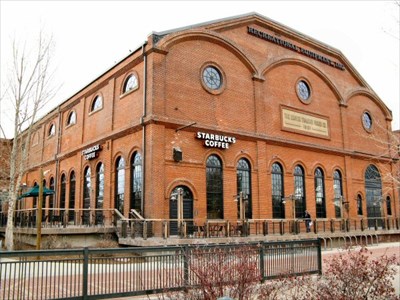
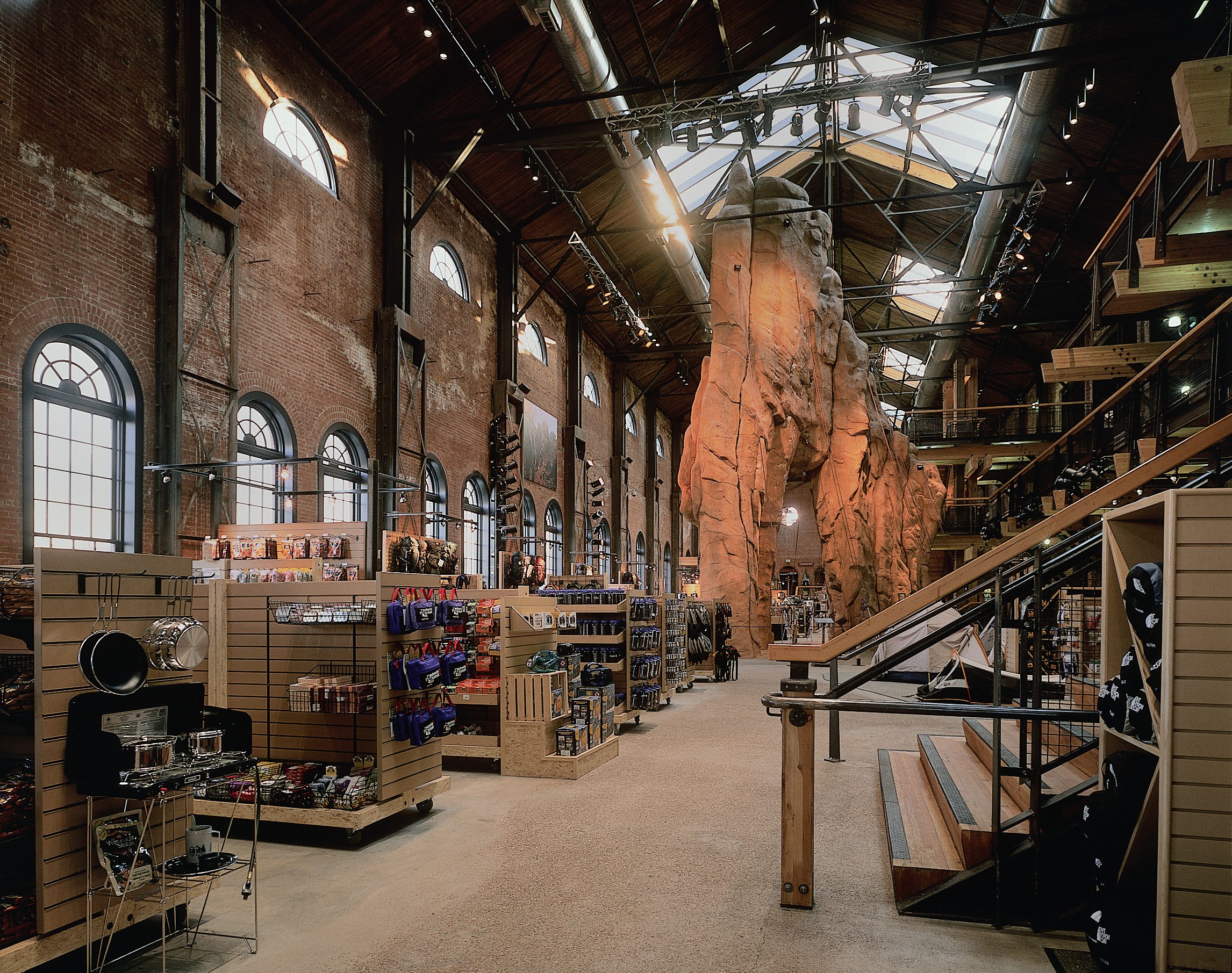
Left: Denver Tramway Powerhouse exterior, pre-REI. Right: REI flagship interior. Photo: Semple Brown Design, via Denver Architecture Foundation.
Built in 1901 to power the city’s electric streetcar system. The arched windows run the full height of the building. The brick is dark and serious and means business.
The streetcar system it powered is long gone, replaced by the automobile and the highway and the particular kind of progress that tears up rails and paves over them. The powerhouse was left behind, another building abandoned by the forward march of efficiency. It is now the REI flagship store in Denver, and inside, where the generators used to run, there is a 47-foot climbing wall rising through the space. The exposed brick is still there. The bones are still there. The volume of the building, that soaring industrial cathedral ceiling, is still there.
REI got it right. They walked in and understood that the building was the feature. That you don’t cover the brick, you don’t drop a ceiling at nine feet to make it feel like a normal retail store. You honor the volume. You put something worthy inside it. That climbing wall in that space is one of the most correct decisions I’ve seen made with an old structure. It doesn’t apologize for what the building is. It celebrates it.
Bardenay, Boise, Idaho
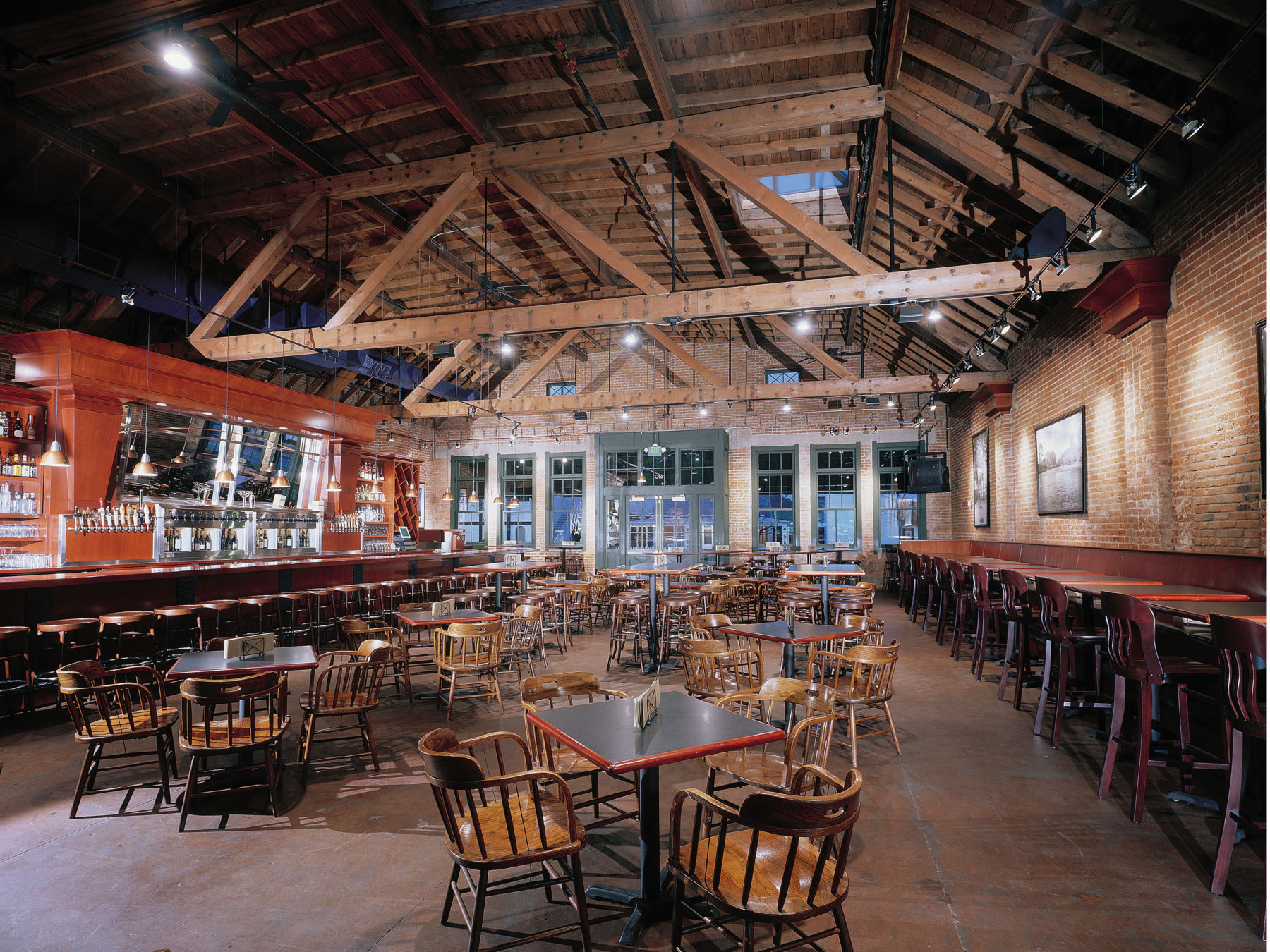
Photo courtesy Vertical Corporation, vertical-corp.com.
A restaurant inside a recovered brick warehouse. Long bar. Exposed timber trusses, heavy ones, the real thing and not decorative. Brick walls that were never asked to be anything other than what they are. Concrete floors. The whole place lit in a way that makes you want to stay.
This is what heart-first design looks like. Nobody looked at that warehouse and saw a liability. Someone looked at it and saw a room. The best room. The room that no new construction budget could ever produce, because you cannot buy a hundred years of patina, the mellowed, worn-in look that only comes with age. You cannot manufacture the way old brick holds light. You can only find it, and choose to keep it.
Dunalastair House, Perthshire, Scotland
I have never been to Dunalastair. I know it only from photographs taken by a drone: aerial views of a roofless mansion, built in the baronial style (a grand house designed to look like a small Scottish castle), sitting in the woods of Highland Perthshire, four miles from Kinloch Rannoch, the turrets and conical roofs still reaching upward even though the interior has been open to the Scottish sky since the 1960s, when someone stripped the lead from the roof and left everything underneath to the weather.
It was built in 1859. The carved stonework above the entry arch is still there. The coat of arms is still legible. The structure of the building (the bones of it, the thing that tells you what it was) is completely intact. It just has no ceiling, no floors, no glass in the windows. The forest is doing what forests do when you stop paying attention.
I would restore it. Of course I would. I’d never be able to stop thinking about it if it were mine.
And this is the part I want to be clear about: the feeling doesn’t require a building of that scale, or that drama, or that history. I get it from a staircase. From a piece of original trim on a 1910 bungalow in the Old North End that someone painted over six times and never replaced. From a brick house in a neighborhood where everything else is vinyl siding. The feeling scales. It’s the recognition of intention, of craft, of someone deciding that the thing they were building was worth doing well. The Derelict Brick Society isn’t just about dramatic ruins. It’s about anything built by someone who believed the work should outlast them.
The Derelict Brick Society
Here is the verdict that time keeps delivering, over and over, on every one of these buildings: the things left behind by progress have a way of outlasting it.
The Tramway Powerhouse was abandoned when the streetcar system died. It is now the most beloved building in Lower Downtown Denver. The Union Printers Home was sold when it was deemed obsolete. Investors are now spending millions to bring it back. The 1906 brewery tower was left behind in favor of a more efficient plant up the hill. The efficient plant is crumbling. The tower is being restored.
Every single one of these buildings was passed over in the name of something newer and better and more practical. And every single one of them is winning the long argument.
The Derelict Brick Society is a name for a feeling. It’s not an organization with bylaws or a board of directors or a five-year strategic plan. It’s the feeling of standing outside a moss-covered tower with your hand on the brick, hearing things that aren’t there anymore, and understanding with complete clarity that this building deserves better than what it’s getting. That it was built by people who believed permanence mattered. That it has outlasted the philosophy that replaced it.
It’s Susan holding the chess piece, on the verge of tears, recognizing something she thought was gone.
If I had a billion dollars I didn’t need to double, I would find these buildings. I would buy them, or partner with the people who own them, or find some way to put my hands on them and ask the right question. Not what is the highest and best use of this asset, but what does this building want to become.
I would design the Tumwater Brewery as a place where weddings happen on the riverbank and the tower is in every photograph. I would design the Union Printers Home as a place where long dinners happen and the acoustics are perfect and the stones in the wall make everyone feel small in the best possible way. I would find the next one, the one nobody has noticed yet, the one sitting on the edge between rescue and rubble, and I would fight for it.
They don’t build like this anymore. The trades that knew how to cut that stone and set that arch and fire that brick have thinned out because the market stopped asking for them. The philosophy that said a building should be worth looking at got replaced by the philosophy that said a building should be worth financing.
But the buildings are still standing. Not with grief exactly, but with something more like stubbornness, I keep thinking about the fact that the 1934 facility that replaced the Olympia Brewery tower is crumbling. The modern building served its purpose and is falling apart. The 1906 tower is being restored.
The Derelict Brick Society is a romantic notion, and I know that. It might stay that way: a name for a feeling, a flag planted in the imagination, a promise made to no one in particular. I just hope it doesn’t erode away alongside the brick.
Who is this article for? Honestly, mostly me. After that, anyone with a time machine. Or a billion dollars and an interest in buying some derelict brick. Or anyone currently working on one of these restoration teams who might be open to a craftsman pitching in. Or anyone with hundred-year-old wood somewhere in their house that needs to be restored by someone who will actually appreciate what they’re touching.
Jonathan Shea is the owner of The Colorado Handyman, serving Colorado Springs and the Pikes Peak region. He has 15 years of construction experience and a lifelong appreciation for buildings that were built to mean something.
Ready to Get Started?
Flat-rate written estimate, no hourly surprises. Serving Colorado Springs, Monument, Fountain, Woodland Park, and the Pikes Peak region.