
Cosmetic refreshes to full remodels, with custom tile showers, tub-to-shower conversions, vanity upgrades, heated floors, and accessibility features, built on modern waterproofing. Free written estimate, flat-rate pricing.
A bathroom remodel in Colorado Springs with us runs from a $5,000 cosmetic refresh to a $35,000 full remodel, and it is built for homeowners who want one crew to handle the tile, the waterproofing, and the permit-and-trade coordination instead of juggling three contractors. We work in Colorado Springs and the surrounding areas, including Monument, Black Forest, Fountain, and Woodland Park. The key qualification: anything that moves plumbing or adds an electrical circuit needs a PPRBD permit and licensed trade work, and we plan the job around that from the first estimate. Every project starts with a free written estimate and flat-rate pricing, so the number you agree to is the number you pay.
Colorado Springs city water is soft to moderately hard, about 1.3 to 2.8 grains per gallon, but homes on a private well, common in Black Forest, Falcon, and Monument, can have genuinely hard water that accelerates mineral buildup on fixtures and inside supply lines. That’s a real factor in a bathroom renovation here, which is why fixture selection and correct waterproofing behind every tile surface matter as much as the design.
We handle five kinds of bathroom work, from a single swap to a full gut:
Custom Tile Showers & Floors: Walk-in showers, decorative niches, and floor tile, installed over a modern waterproofing membrane (a waterproof layer, such as Schluter KERDI, that goes behind the tile and keeps water out of the wall) for long-term moisture protection.
Tub-to-Shower Conversions: Removal of a dated bathtub and installation of a low-profile walk-in shower, including drain relocation when the shower layout needs it and full waterproofing before any tile goes on.
Fixture & Vanity Upgrades: High-efficiency toilets, double vanities, rainfall showerheads, and designer faucets selected to hold up against hard water, especially for homes on a private well.
Safety & Comfort: Heated floor systems (radiant heat mats installed under the tile, such as Schluter DITRA-HEAT) and accessibility features built to ADA guidelines, including grab bars, bench seating, and curbless shower entries. Our aging-in-place bathroom guide covers what these upgrades cost and what is worth doing first.
Tile Repairs: If the bathroom doesn’t need a full remodel, a failed grout line or a few loose tiles can often be fixed without tearing anything out. Our bathroom tile repair guide explains when a repair is enough and when it is covering a bigger problem.
A bathroom remodel in Colorado Springs typically costs $5,000–$12,000 for a cosmetic refresh, $12,000–$22,000 for a mid-range remodel with a custom tile shower, and $22,000–$35,000 for a full remodel with a new layout. The scope, not the square footage, is what moves a project between tiers.
| Scope | Typical Cost | Permit? |
|---|---|---|
| Cosmetic refresh (vanity, fixtures, paint) | $5,000–$12,000 | Usually no |
| Mid-range remodel (custom tile shower) | $12,000–$22,000 | Only if plumbing moves |
| Full remodel (updated layout, tub-to-shower, heated floors) | $22,000–$35,000 | Yes |
For the full breakdown of what pushes a project toward the top or bottom of each range, see our bathroom remodel cost guide for Colorado Springs. If your project is mostly the shower, the bath and shower remodel cost breakdown goes deeper on pans, glass, and walk-in options.
Not sure which tier your bathroom falls into? A free written estimate gives you a flat-rate number before any work starts.
Request Free Estimate → (719) 243-9718
You need a permit when the remodel moves or adds plumbing, adds an electrical circuit, or changes framing, and you generally don’t for cosmetic work in the existing layout. Most Colorado Springs addresses are permitted through PPRBD, the Pikes Peak Regional Building Department, though a few city-limit addresses go through City of Colorado Springs Development Services, so confirm your address first.
Moving a drain, relocating supply lines, and adding the dedicated circuit a heated floor needs all count. Swapping a vanity, toilet, or faucets in the same spot, retiling, and painting do not. PPRBD also states that a homeowner cannot pull a permit on behalf of a contractor hired to do the work, which is why the contractor on the job handles the application through final inspection. Skipping a required permit tends to surface at resale, which is covered in our remodeling permits guide for Colorado Springs.
For cosmetic bathroom work, a handyman crew is the right fit, and for anything that moves plumbing or adds a circuit, you need permitted, licensed trade work, whoever coordinates it. The line is the permit, not the size of the check.
A vanity swap, new fixtures in the existing locations, flooring, paint, and tile work in the same footprint are handyman-scope jobs, and having one crew do them keeps the schedule simple. Once the plan includes relocating a drain, a new circuit for a heated floor, or framing changes, the licensed plumbing and electrical work gets done under a PPRBD permit and inspected, and we coordinate those trades so you aren’t managing them yourself. We don’t do HVAC or major mechanical work, and if a bathroom plan needs it, we’ll tell you up front.
A bathroom remodel takes 1–2 weeks for a cosmetic refresh and 2–4 weeks with a new tile shower. A full renovation takes 4–6 weeks of construction, plus 1–3 weeks for PPRBD permit processing before demo can start.
If the remodel includes the only shower in the house, plan on that shower being out of service for most of the active work, because the tear-out, waterproofing, and tile all happen in the same space. Ask us at the estimate about a second bathroom, a gym membership, or phasing the work, and we will build the schedule around it. Skipping steps out of order, like tiling before the membrane has been water-tested, is what turns a 3-week remodel into a 5-week one. Our guide to the order a bathroom remodel happens in walks through every phase.
The most common surprises in older Colorado Springs bathrooms are missing or failed waterproofing behind the tile, old galvanized supply pipes, and original flooring or adhesive that needs testing before it is disturbed. These are patterns by home age, not predictions for your house, which is why we build a contingency into the estimate.
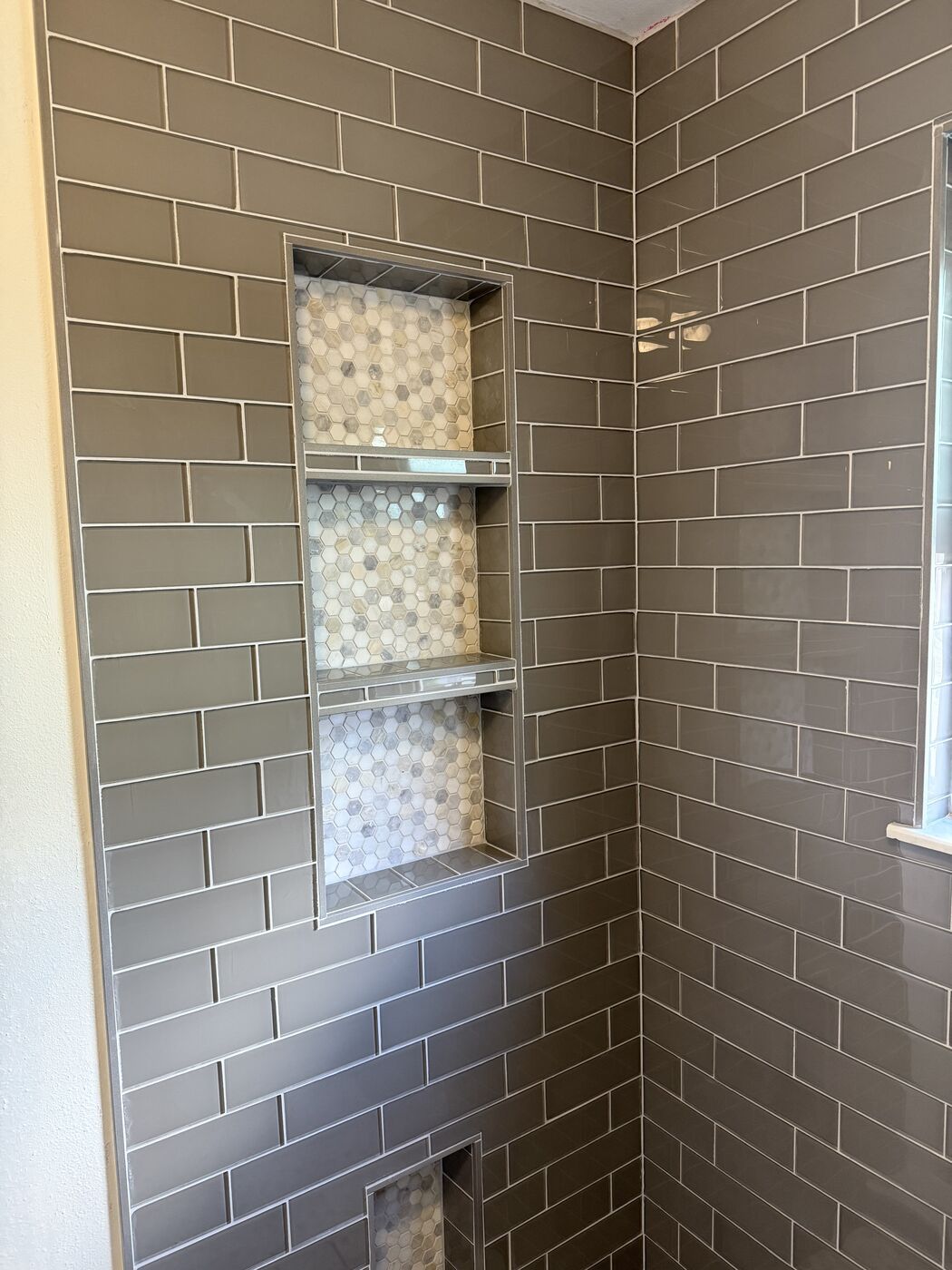
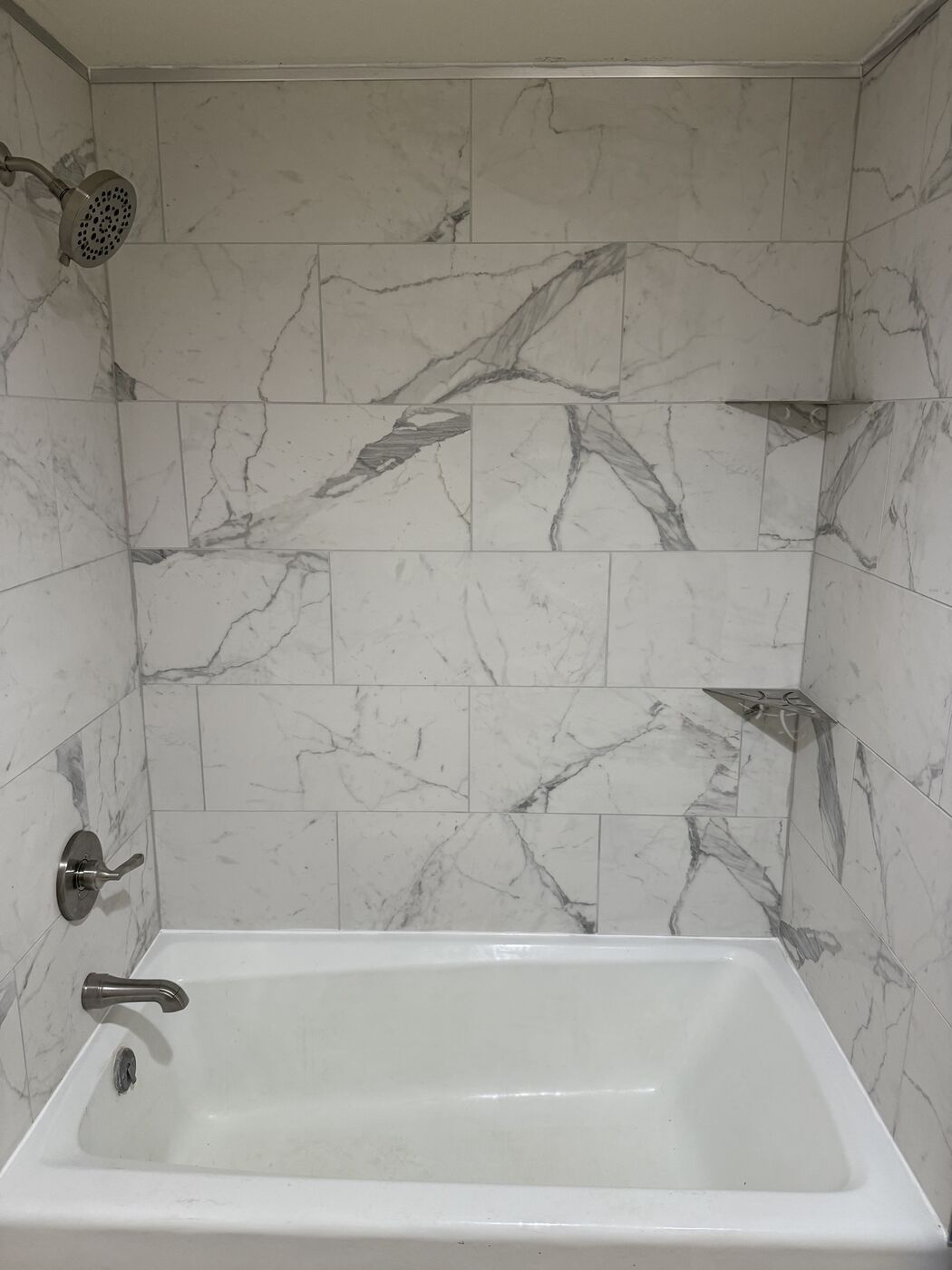
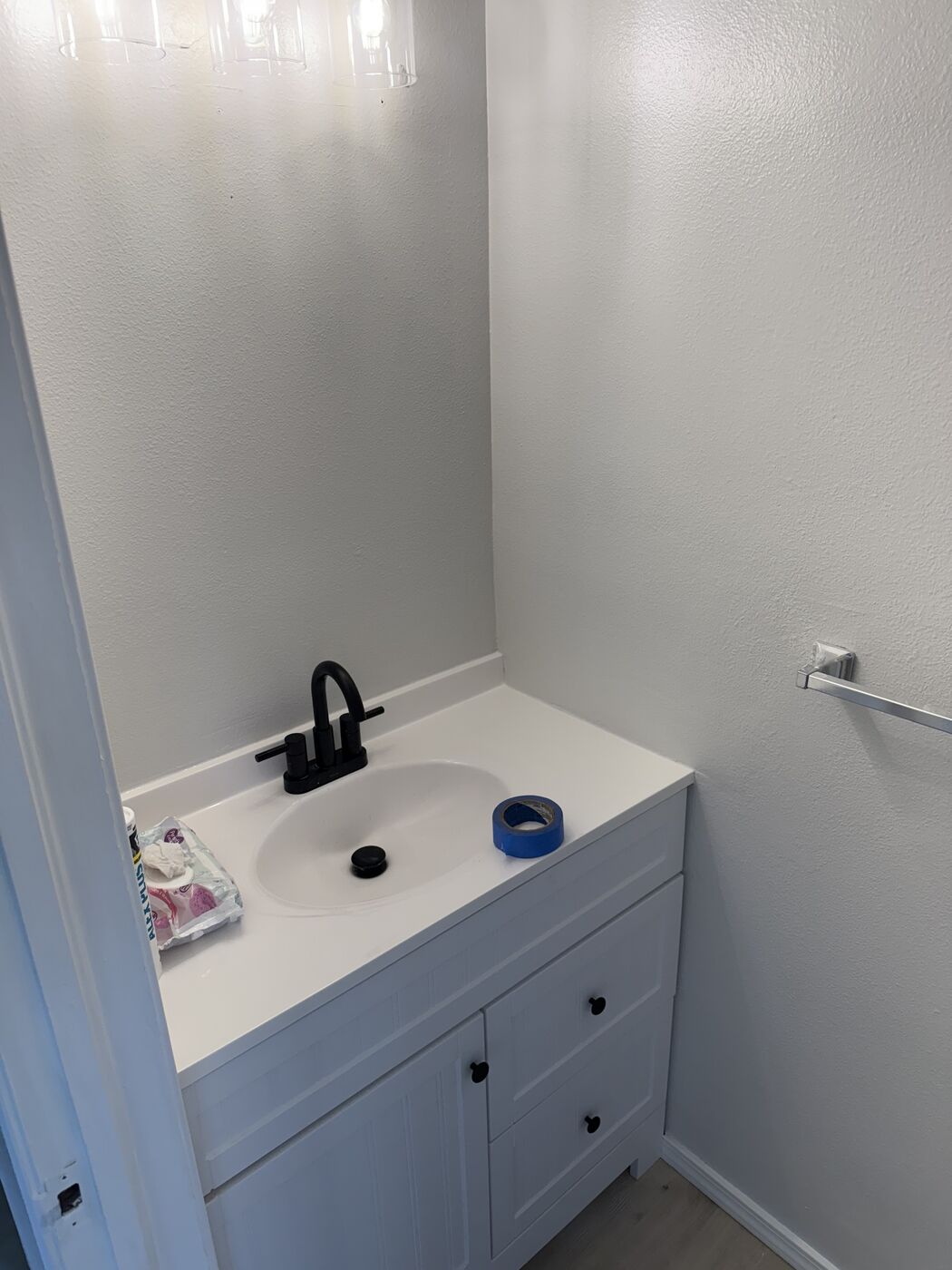
Finished work from our bathroom remodels includes tile showers, tub surrounds, and vanity upgrades, and the waterproofing behind the tile is the part you never see once it is done. Here are three completed examples.
Halfway through, a bathroom remodel is bare studs, open floors, and new plumbing, and the photos below are from a bathroom remodel I documented partway through. I’m sharing the ugly middle on purpose, because this stage is where the decisions that make a bathroom last actually happen, and it’s the part nobody posts.
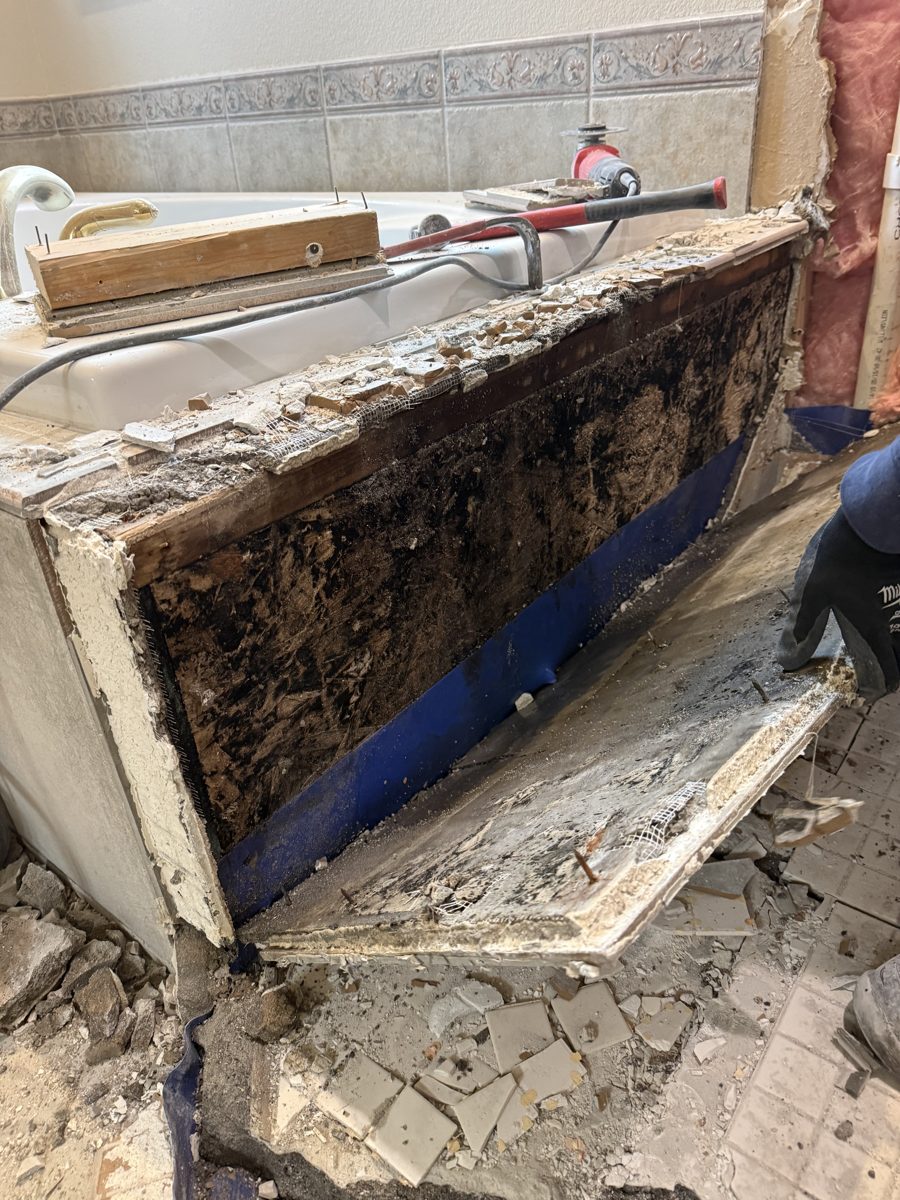
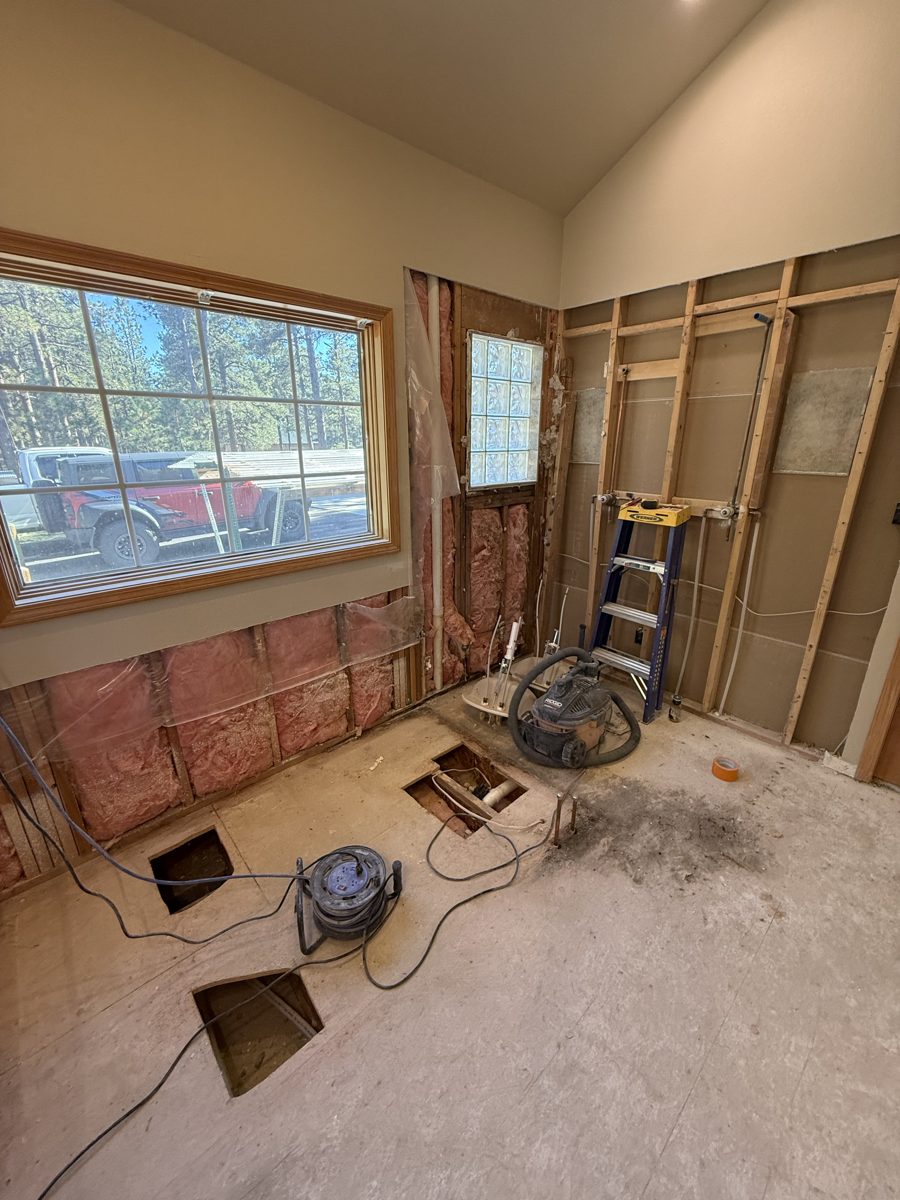
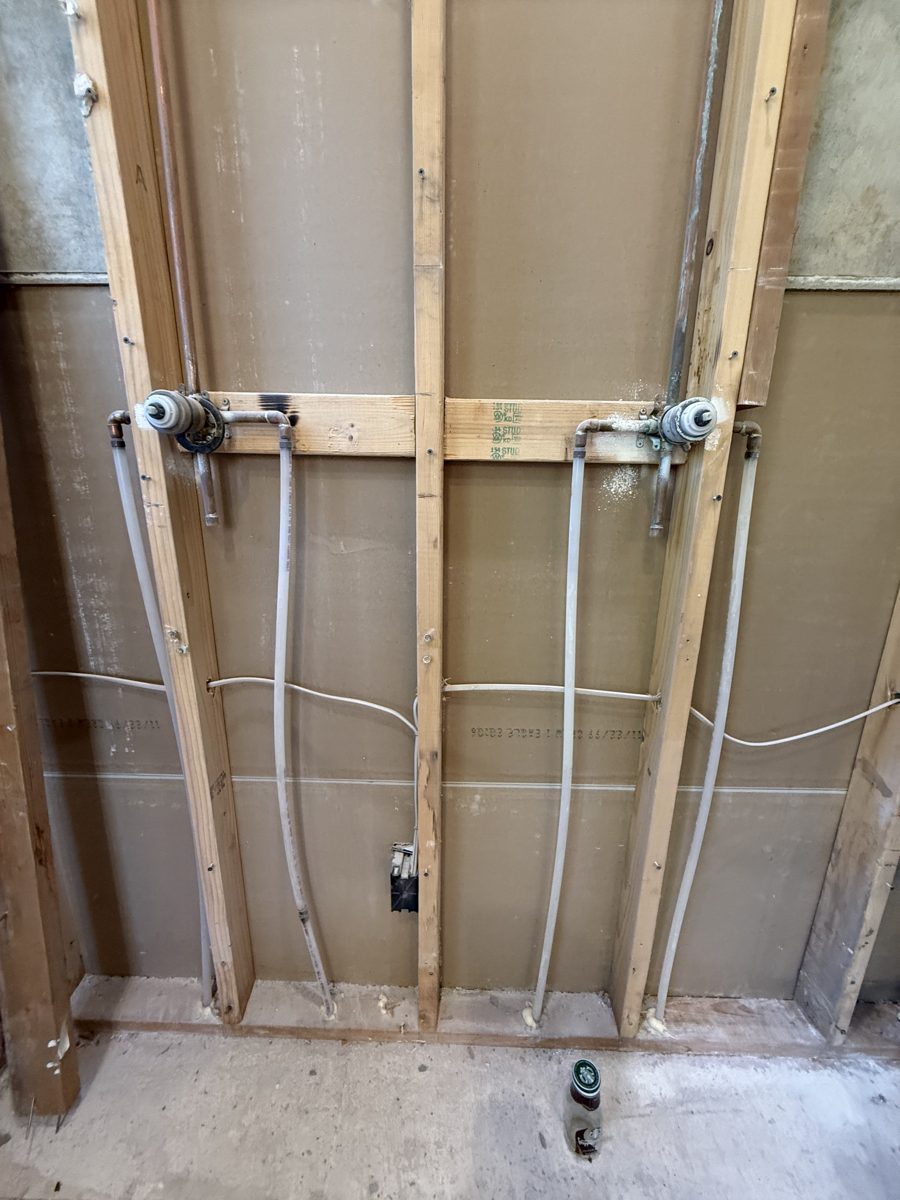
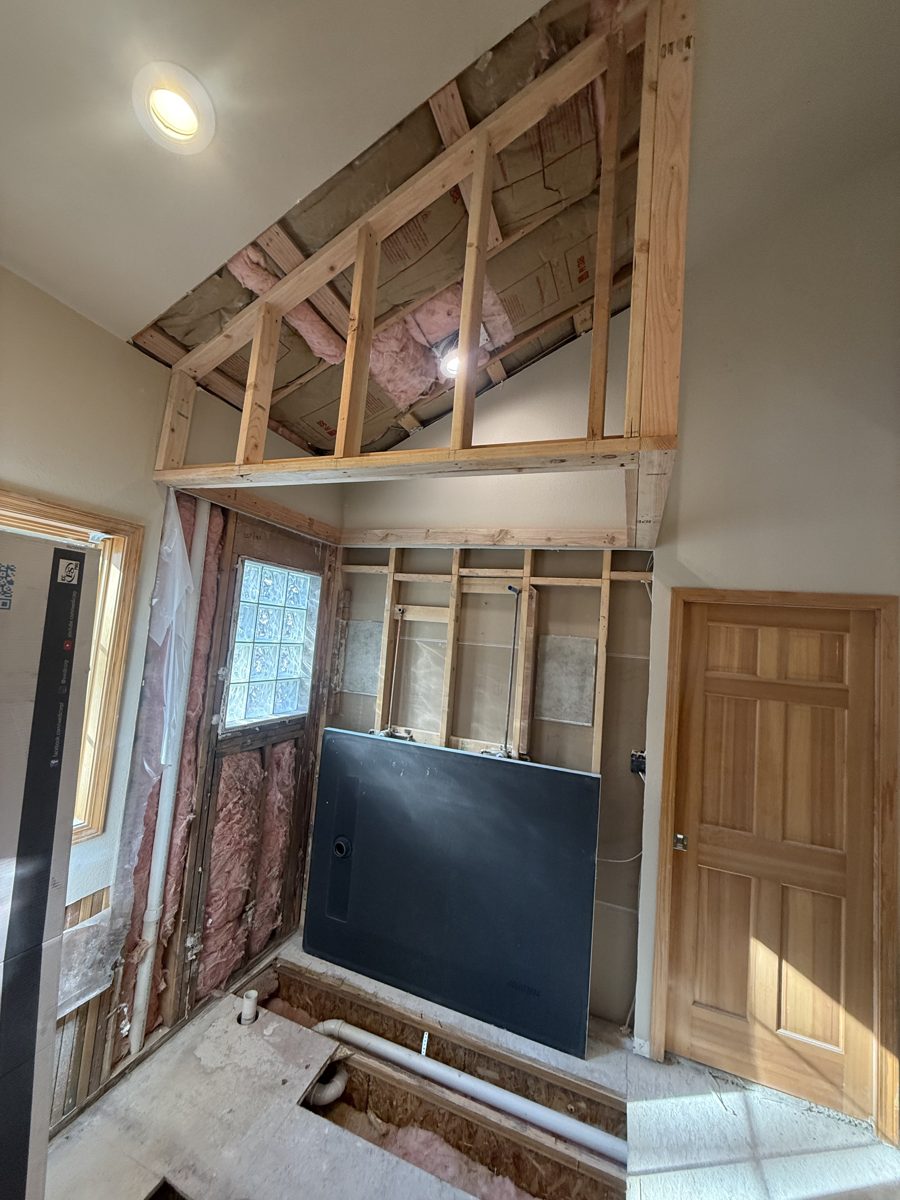
That tub deck is the reason I open things up instead of tiling over them. From the outside it looked like tired grout; underneath, the support for the tile had been breaking down for years. A surface fix would have hidden the problem, not solved it. The order a bathroom remodel happens in explains each of these stages and how long they take.
Want this level of care on your bathroom? Request a free estimate or call (719) 243-9718.
Request Free Estimate → (719) 243-9718
A custom tile tub-to-shower conversion runs $7,000–$16,000 and is one of the most requested bathroom projects we do. A prefab fiberglass unit installed in the existing tub footprint is a faster, lower-cost option at $2,000–$6,000.
The step that determines whether either option lasts is waterproofing. Tile and grout resist water, but they aren’t waterproof on their own, so a continuous membrane behind the tile is what actually keeps water out of the framing. We use sheet-applied membrane systems like Schluter Kerdi across the whole wet area, run a water test before any tile goes on, and don’t cut that step short to save a day.
Most Colorado Springs homes built after 1980 sit on a concrete slab, and shower drains typically need to be centered where tub drains sit at one end. Moving the drain means cutting the slab, rerouting the line, and patching the concrete back, which adds $500–$1,500 to the job. For the full process, cost drivers, and what to expect at each step, see our tub-to-shower conversion guide.
Every bathroom remodel follows the same five steps, so you always know what comes next:
Ready to price your bathroom? Request a free estimate or call (719) 243-9718.
Every project gets a detailed written estimate with flat-rate pricing before work begins. Call (719) 243-9718 or submit the estimate form.